Identify the brick, mortar and type of soiling
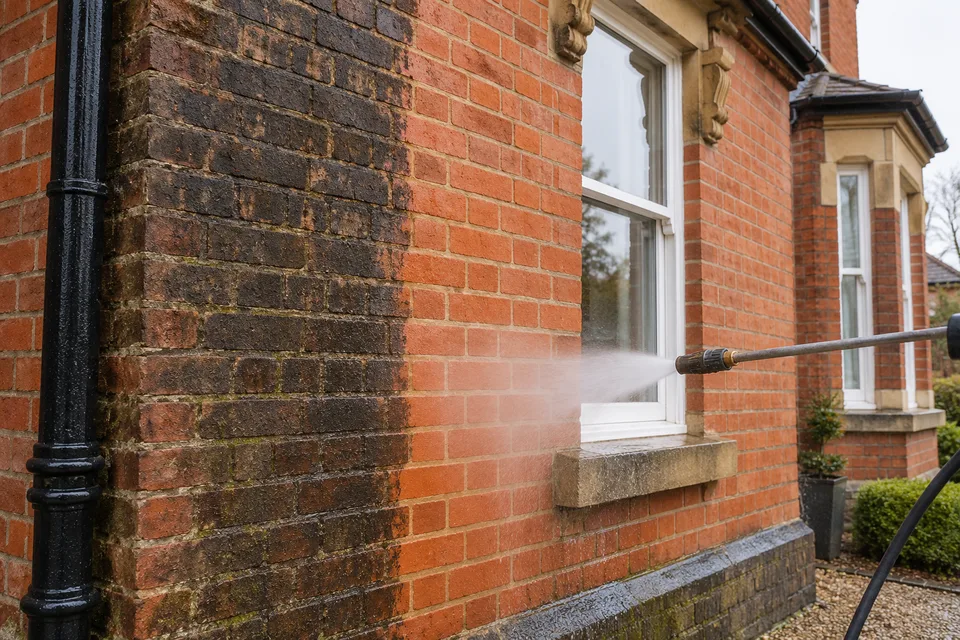
Careful facade cleaning
Clean brickwork without treating every wall the same.
Brick cleaning should begin with the surface, the staining and the condition of the mortar. We choose a controlled method, test a small area where appropriate, and avoid aggressive treatment that can scar brick faces or drive water into the wall.
Arrange a property survey- Clear written scope
- Brick and stone specialists
- South Yorkshire coverage
When to arrange an inspection
Signs this service may be needed.
- 01Soot or traffic film dulling the facade
- 02Algae and biological growth
- 03Local staining after previous work
- 04A finish that needs a test patch before wider cleaning
Direct answer
What does brick cleaning involve?
Brick cleaning should begin with the surface, the staining and the condition of the mortar. We choose a controlled method, test a small area where appropriate, and avoid aggressive treatment that can scar brick faces or drive water into the wall.
Request a survey for this serviceThe work sequence1 2 3 4
A clear route from inspection to completion.
Agree a discreet test area
Use a controlled cleaning method
Review the result and advise on any repairs exposed
Related services
The defect may cross more than one trade area.
01
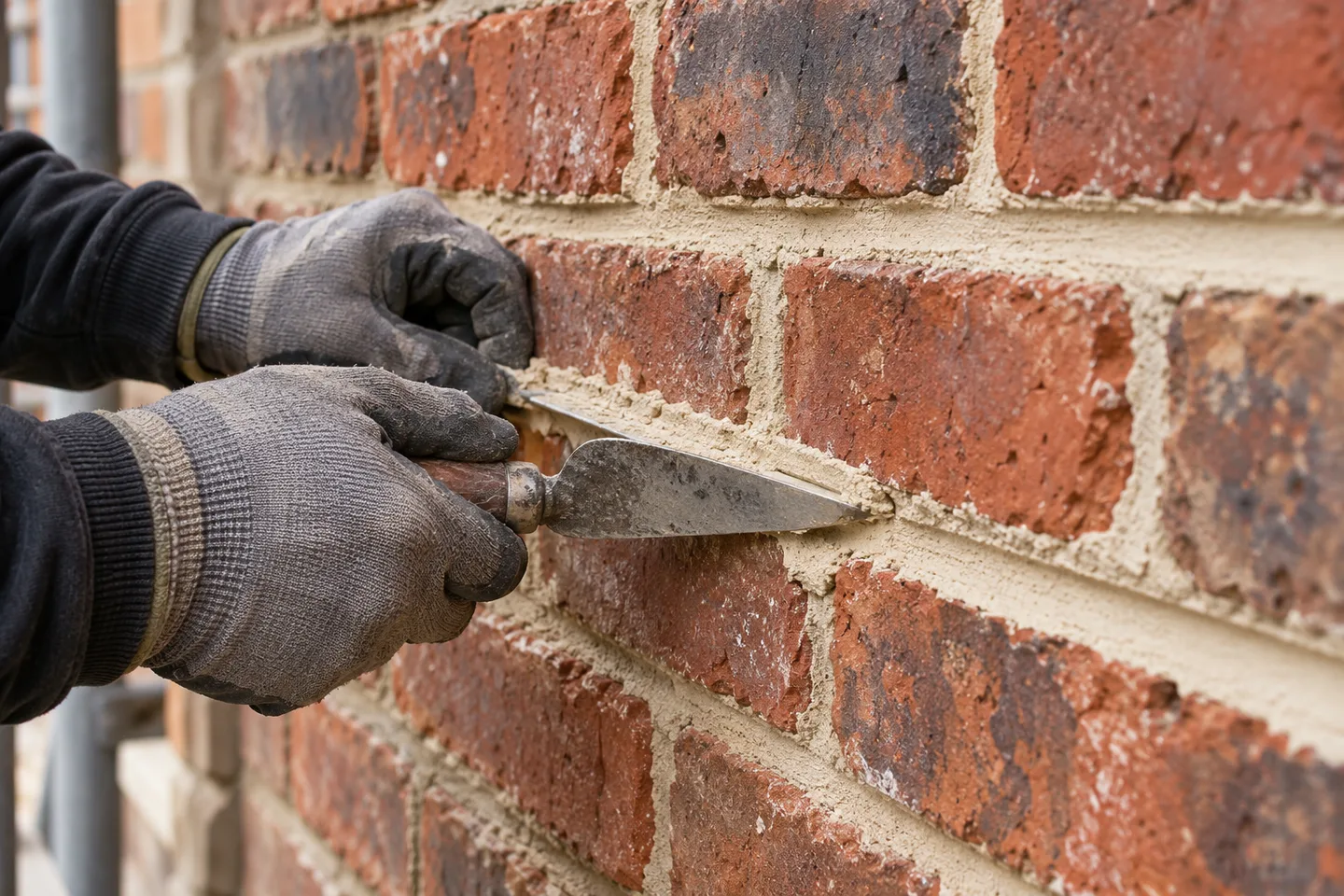
Brick Pointing & Repointing
Weathered joints removed and renewed with mortar suited to the wall.
See service details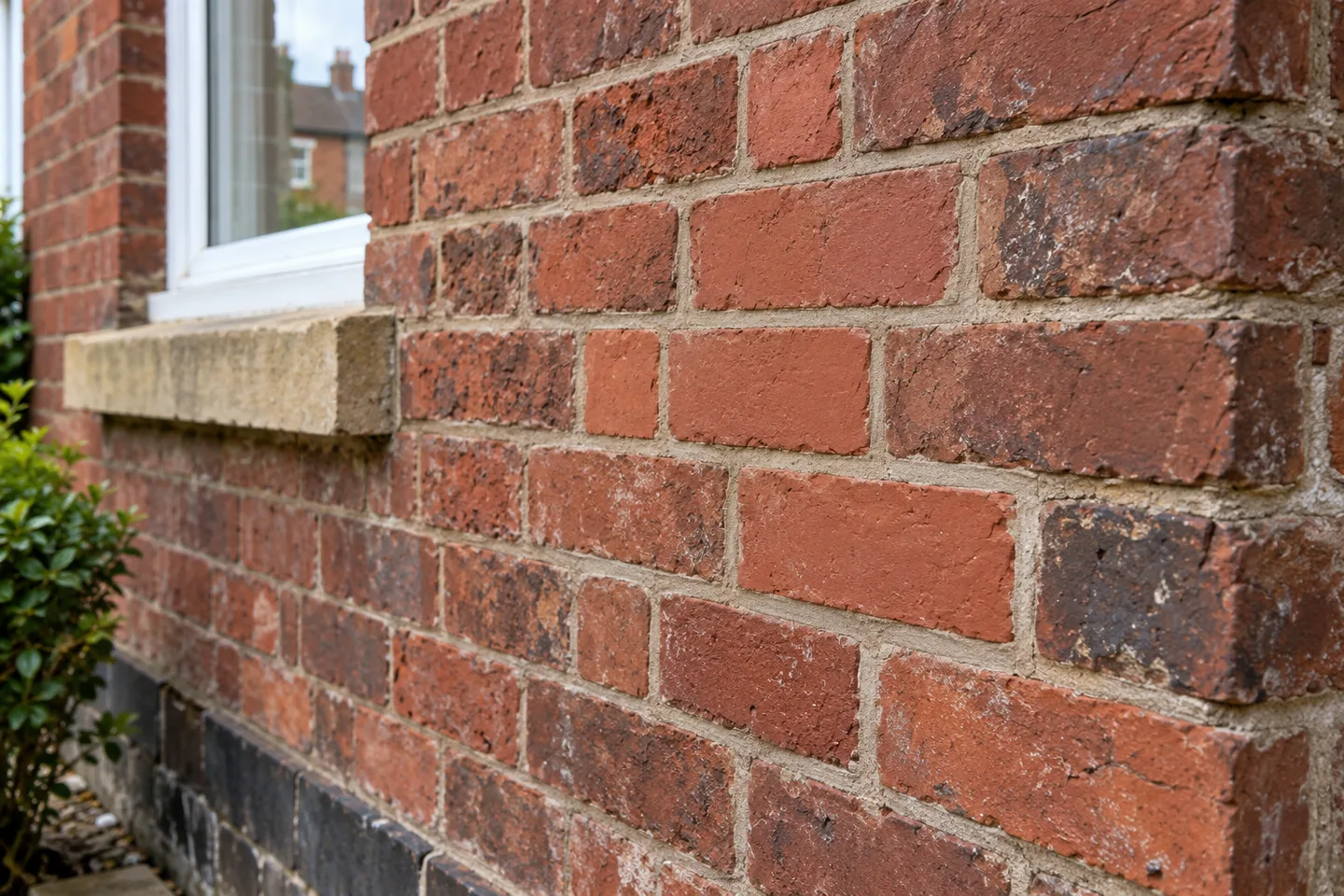
02
Brick Repairs
Damaged bricks, local cracks and failed sections repaired with care.
See service details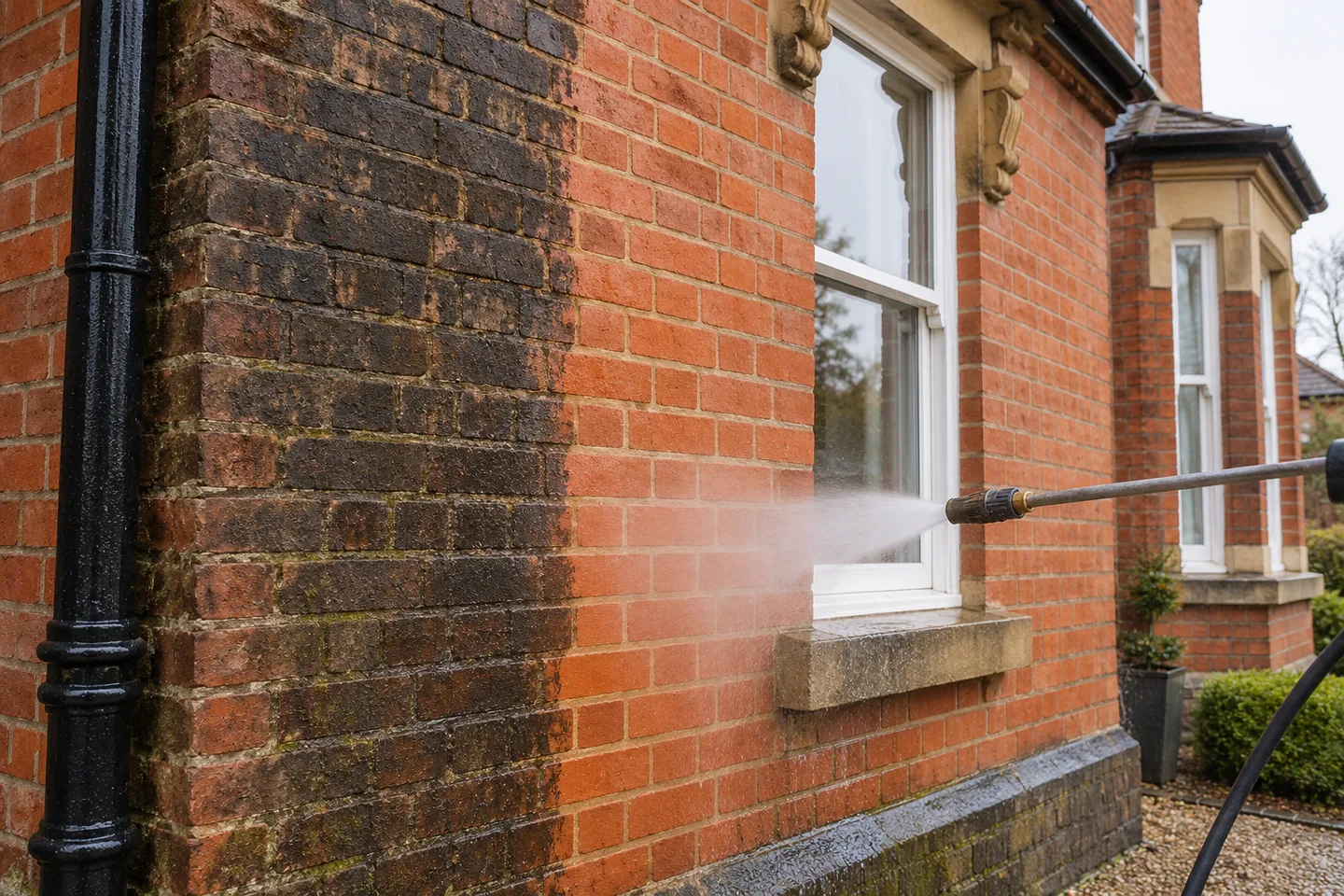
03
Brick Cleaning
Controlled cleaning for soot, organic growth and surface staining.
See service detailsSouth Yorkshire coverage
Local pages with the right service information.
Useful answers
Brick Cleaning questions
These answers cover the usual starting points. The wall itself decides the final specification.
Do you pressure wash brickwork?
High pressure is not the default. The method and pressure must suit the brick, mortar and staining to avoid surface loss and water ingress.
Can every stain be removed?
No responsible contractor can promise that without inspection. Some staining can be reduced rather than completely removed, and a test patch helps set realistic expectations.
Should cleaning happen before repointing?
Often yes, because cleaning may reveal weak joints or damaged bricks. The order depends on the wall and the chosen cleaning method.
Will brick cleaning change the colour?
Cleaning reveals the underlying surface, which may differ from weathered areas. We discuss the likely result after testing.